
Don’t Extract Yet: How to Save a Compromised Tooth When Your Dentist Recommends Pulling It
Introduction
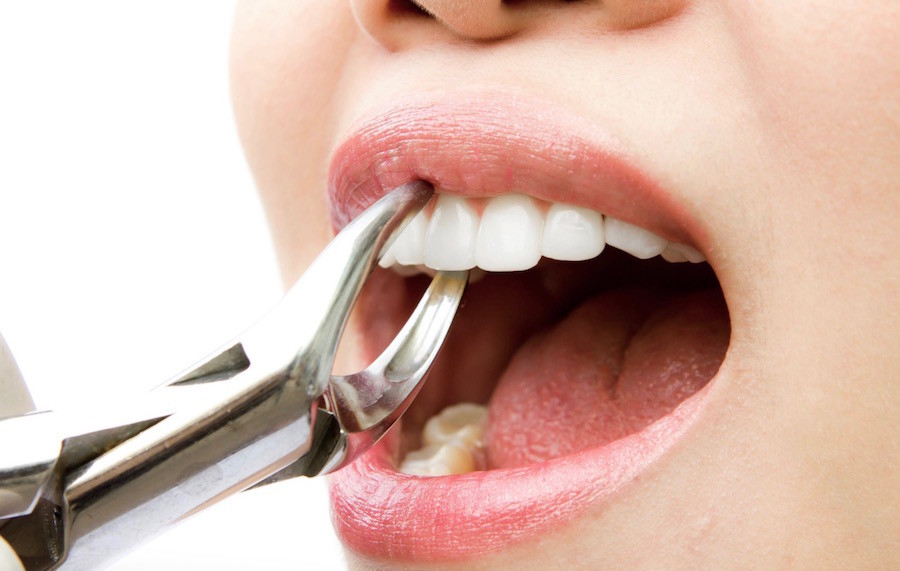
You’ve just heard the words every dental patient dreads: “This tooth needs to be extracted.” Maybe it’s cracked, infected, or has significant bone loss. In today’s dental world, where dental implants are highly marketed and technically advanced, extraction followed by implant placement has become a much too common default. But what if that tooth can be saved?
At Lowry Endodontics, Dr. Rahim Karmali and our team specialize in saving compromised teeth. Natural teeth, when preserved successfully, often outperform replacements in function, feel, and long-term biology. As implants have surged in popularity, some dentists may underutilize advanced endodontic techniques that help you keep your teeth. Implants are excellent tools—but they aren’t risk-free, and extraction is irreversible. Let’s explore why saving your tooth might be the smarter first step.
Why Saving Your Natural Tooth Is Usually Preferable
Your natural teeth are uniquely designed for your mouth:
- Superior function and sensation — Teeth connected via the periodontal ligament provide better proprioception (feedback on bite force and position) than implants. Natural teeth often deliver greater bite strength and a more “real” chewing experience.
- Bone and tissue preservation — A tooth root stimulates the jawbone naturally, preventing the resorption that occurs after extraction (even with implants, bone maintenance isn’t always perfect).
- Long-term cost and simplicity — Studies show that regenerative periodontal treatments or root canal therapy plus restoration can be more cost-effective over 10–20 years than implants, with fewer interventions needed in many cases.
- Aesthetics and biology — Nothing matches your own tooth’s natural look, translucency, and integration with surrounding tissues.
Patients most often prefer keeping compromised teeth when informed of options.
The Rise of Implants—and Why They’re Not Always the Best First Choice
Dental implants have revolutionized tooth replacement with moderately high success rates (often 85% at 10 years) and excellent aesthetics, when successful. However, the “implant boom” may contribute to a skills gap in advanced tooth-saving methods. Some clinicians default to extraction because implants can be more profitable and easier to perform in certain scenarios.
But implants come with real complications:
- Peri-implantitis (inflammation and bone loss around the implant, similar to severe gum disease) affects a significant percentage of patient. Studies report a 45-63% disease rate after 5–10 years. It can lead to implant failure and is harder to treat than periodontal disease around natural teeth.
- Higher failure rates in certain patients. Especially those with a history of periodontitis, where implants can fail at rates up to 10 times higher than treated natural teeth over 10+ years.
- Other issues — Infection, mechanical problems, need for ongoing specialized maintenance, and the fact that “survival” (implant still present) doesn’t always equal problem-free function. Early failures also occur due to factors like smoking or poor bone quality.
Implants don’t get cavities, but they are far from invincible. The shape of the implants can cause cavities in the neighboring teeth. Once a tooth is gone, you can’t get it back.
Natural Tooth vs. Dental Implant: Visual Comparison

When to Get a Second Opinion
If extraction is recommended, especially for a single compromised tooth:
- Ask about specific saving options and success probabilities.
- Seek a specialist, like Dr. Karmali, who focuses on saving compromised teeth.
- Consider factors like your overall health, oral hygiene, and willingness for maintenance.
The decision should be patient-centered, weighing biology, cost, time, and your preferences—not a one-size-fits-all implant solution.
Dr. Rahim Karmali at Lowry Endodontics offers comprehensive second-opinion consultations. We’ll review your case with advanced imaging and discuss whether your tooth can be saved—often when others have said it cannot.
Real-World Success and Next Steps
Many “hopeless” teeth thrive for decades with proper treatment. At Lowry Endodontics, we’ve helped countless patients from around the country keep their natural teeth through expert endodontic care.
If you’re facing this situation, don’t rush into extraction. Schedule a consultation with Dr. Rahim Karmali for a thorough, unbiased evaluation.
Conclusion
Saving a compromised tooth isn’t always possible—but it’s often worth exploring first. Natural teeth bring irreplaceable benefits, and advanced endodontic techniques let us preserve them more effectively than ever. Implants are a fantastic backup when truly needed, but they shouldn’t overshadow the art and science of tooth preservation.
At Lowry Endodontics, Dr. Rahim Karmali is committed to giving every salvageable tooth its best chance. Visit www.lowryendo.com to learn more about our tooth-saving approach or to schedule a consultation.
If you know someone who’s been told they need a tooth pulled, please share this article with them—we’re here to help.