
Root Canals vs Dental Implants: Protecting Your Overall Health
Key Takeaways
- Root canal treatment cleans and preserves your natural tooth, while a dental implant replaces the tooth with an artificial titanium screw.
- Well-performed root canals lower the risk of systemic health issues compared to implants, which have complications such as peri-implantitis.
- Expert care, using technologies like 3D CBCT imaging and laser disinfection, enhances the success rate of root canals to 90-98%.
- Root canals are often less expensive than implants up front and may involve lower long-term maintenance costs.
- Getting a second opinion on root canal vs dental implant options can provide safer alternatives to saving your natural tooth.
If your dentist has recommended treatment for a badly damaged or infected tooth, you’ve likely faced the same question many of our patients ask: “Should I get a root canal or just pull the tooth and get an implant?”
At Lowry Endodontics in Denver, we believe you deserve clear, honest information so you can make the best decision for your long-term health, not just your smile. A well-performed root canal treatment and a dental implant are both excellent modern options, but when it comes to systemic health and ongoing infection risk, there are meaningful differences worth understanding.
Understanding the Two Approaches
Root Canal Treatment cleans the diseased pulp from inside your natural tooth, seals it, and restores it, usually with a crown. The goal is to eliminate infection while keeping your own tooth.
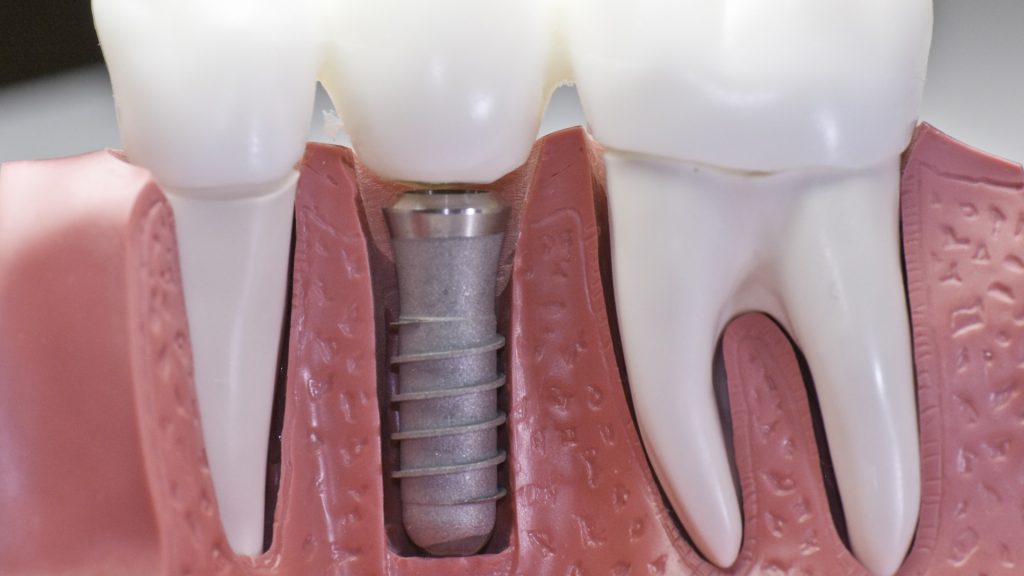
Dental Implant involves extracting the tooth and replacing it with an artificial root (titanium post) and crown. It’s a replacement, not a rescue.
Both have high success rates when done well, but preserving your natural tooth offers unique biological advantages.
Systemic Health & Infection Risk: The Key Difference
Not All Root Canals Are the Same
Poorly performed root canals can definitely leave bacteria behind and cause persistent or recurring problems. That’s why we see and successfully retreat many cases referred from other offices. A rushed or incomplete procedure may fail to fully disinfect the complex root canal system, potentially allowing low-grade infection to continue.
A Well-Done Root Canal (The Right Way)
When performed with precision, modern root canal treatment removes the source of infection. The American Association of Endodontists confirms there is no valid scientific evidence linking properly executed root canals to systemic illness. In fact, successful treatment actually reduces the risk of bacteria spreading elsewhere in the body.
At Lowry Endodontics we take a careful approach:
- We begin with a detailed, unhurried evaluation to truly understand your specific situation.
- We use high-resolution 3D CBCT imaging for accurate diagnosis and to map the complex canal system.
- We employ a dental operating microscope and utilize SWEEPS laser disinfection for a conservative yet thorough cleaning and sealing that you can’t achieve with standard techniques.
This level of care dramatically improves outcomes and gives you the best chance of long-term success.
Dental Implants & Peri-Implantitis
Even well-placed implants can develop peri-implant mucositis (inflammation of the surrounding soft tissue) or peri-implantitis (inflammation plus progressive bone loss around the implant). Recent large-scale reviews show these complications are surprisingly common:
- Peri-implant mucositis affects approximately 46% of patients
- Peri-implantitis affects approximately 25% of patients
These conditions are associated with elevated systemic inflammation markers (such as CRP and IL-6). Because implants lack the natural periodontal ligament of a real tooth, they can be more difficult to clean and maintain, sometimes leading to chronic infections and harder-to-manage problems.
Your natural tooth, when successfully and expertly treated, generally carries a lower risk of ongoing systemic inflammation.
Success Rates & Long-Term Outcomes
Well-done root canals by specialists routinely achieve 90–98% success with excellent long-term survival. Implants also show strong survival rates, but complications like peri-implantitis can appear years later and are often more challenging to resolve than a root canal retreatment.
Natural teeth preserve jawbone naturally, provide better chewing sensation, and avoid many implant-specific risks.
Cost and Practical Considerations
Root canal + crown is typically significantly less expensive upfront than an implant + crown (often by several thousand dollars), with potentially lower lifetime maintenance costs when performed expertly. Root canal treatments also require fewer treatment visits and often don’t require surgery.
The Lowry Endodontics Difference
We don’t just “do root canals.” We specialize in making them as predictable, comfortable, and successful as possible using the most advanced tools and techniques available. Our focus is always on conservative, high-quality care that prioritizes keeping your natural teeth whenever it is in your best interest.
Should You Get a Second Opinion?
Yes, it’s one of the smartest things you can do.
If you’ve been told extraction and an implant is your only option, or if you’re concerned about long-term health implications, we invite you to schedule a consultation. Many patients leave our office feeling relieved and confident after learning they can safely keep their natural tooth with the right specialist care.
Second opinions are standard, pressure-free, and often eye-opening.
Ready to Make the Best Choice for Your Health?
Don’t let uncertainty affect your decision. At Lowry Endodontics in Denver, our compassionate team takes time to explain your unique situation and explore every option — always with your overall health and comfort in mind.
Contact us today for a consultation or second opinion.
📍 Lowry Endodontics – Denver, CO
📞 Call (303) 363-7668 or book online
We look forward to helping you protect both your smile and your systemic health for years to come.
— Dr. Rahim Karmali and the Lowry Endodontics Team
A well-performed root canal by a specialist generally carries lower risk of ongoing systemic inflammation compared to dental implants, which have a 25% rate of peri-implantitis. Saving your natural tooth is often the healthier long-term choice.
Peri-implant mucositis affects about 46% of patients and peri-implantitis affects approximately 21% of patients. These conditions are linked to higher systemic inflammation.
Yes. Poorly performed root canals can leave bacteria behind and lead to persistent infection. That’s why expert care using high-resolution CBCT imaging, laser disinfection, and the dental operating microscope, as we provide at Lowry Endodontics, makes a significant difference.
Absolutely. A second opinion from a root canal specialist often reveals safe options to save your natural tooth. We welcome second opinions at Lowry Endodontics in Denver with no pressure and clear explanations.
We start with a detailed evaluation and use high-resolution 3D CBCT imaging, laser disinfection, and the dental operating microscope to perform thorough, conservative treatment and maximize long-term success.
A root canal + crown is typically significantly less expensive upfront (often by several thousand dollars) and usually has lower lifetime maintenance costs when performed expertly by a specialist. The higher cost of dental implants is often due to the necessity of bone grafting and/or sinus surgery.