
Root Canal vs Implant: Why Saving Your Natural Tooth Might Be the Smarter Long-Term Choice
Key Takeaways
- Dental implants are common, but preserving your natural tooth can be a smarter option.
- Root canal therapy often provides long-term success, matching or surpassing dental implants in survival rates.
- Saving your natural tooth offers benefits like better bite feedback, bone preservation, and aesthetics.
- Factors such as decay and gum health determine whether a tooth can or should be saved; advanced technology aids in evaluation.
- Consult a skilled specialist for a thorough assessment and consider a second opinion before deciding on extraction.
Your dentist has just recommended extracting a tooth and replacing it with an implant. It’s a common conversation, and one that can feel overwhelming. You want what’s best for your smile, your health, and your future. Is there a better path than removal?
At Lowry Endodontics in Denver, Dr. Karmali specializes in advanced tooth preservation. Modern endodontic care often allows patients to keep their natural teeth for decades. This offers excellent function, comfort, and fewer long-term complications than many realize. While dental implants are a reliable option in the right situations, saving your natural tooth is frequently the biologically smarter, more sustainable choice.
Side By Side Comparison
| Aspect | Root Canal | Dental Implant | Winner for Most Patients |
| Long-Term Survival | 83–98% with expert care | 80–92% | Root Canal Therapy |
| Bone & Gum Health | Preserves natural bone and gum architecture | Can lead to bone changes over time | Root Canal Therapy |
| Bite Feel & Function | Excellent natural feedback (proprioception) | Good, but no ligament sensation | Root Canal Therapy |
| Risk of Major Complications | Lower overall (no peri-implantitis) | Peri-implantitis in ~25% of cases | Root Canal Therapy |
| Maintenance | Standard dental care + crown | More specialized cleaning and monitoring | Root Canal Therapy |
| Cost Over 10–15 Years | Often lower lifetime cost | Higher due to potential repairs/replacements | Root Canal Therapy |
| Aesthetics | Seamless match with your smile | Very good, but occasional gum line issues | Root Canal Therapy |
Understanding Your Options: Root Canal Therapy vs. Dental Implants
When a tooth’s inner pulp becomes damaged or infected, two main paths emerge:
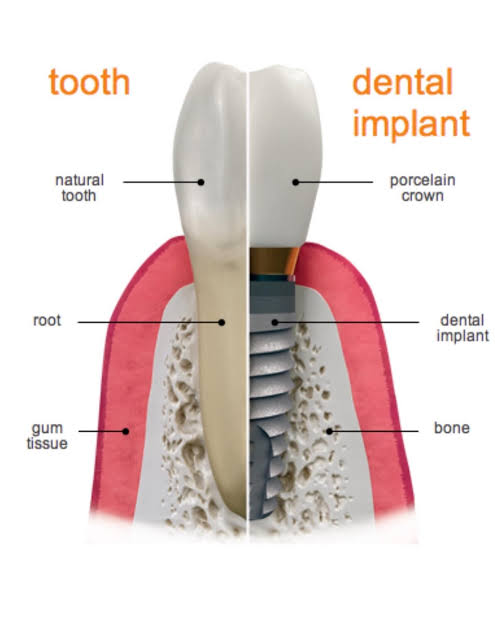
- Root Canal Therapy (Endodontic Treatment): The infected or inflamed pulp is carefully removed, the canals are cleaned, shaped, and sealed, and the tooth is restored with a crown or filling. The goal is to keep your natural tooth intact and functional while maintaining the health of the surrounding bone.
- Extraction and Implant: The tooth is removed and a bone graft is placed. Sinus surgery is sometimes required. After healing, a titanium post is surgically placed in the jawbone, topped with a crown.
Extraction is permanent. Once the tooth is gone, it’s gone. In contrast, expert endodontic treatment gives your natural tooth a real chance at long-term survival.
The Science: How Survival Rates Compare Over Time
High-quality research consistently shows that properly treated natural teeth often match or outperform implants over the long haul:
- At 6–8 years: Success rates for root canal-treated teeth range from 94–97%, compared to about 95% for implants.
- At 10–15+ years: Endodontically treated teeth show survival rates of 83–98%, while implants range from 80–92%.
These numbers come from systematic reviews and long-term studies comparing real-world outcomes. Natural teeth integrate seamlessly with your jawbone, gums, and bite system. You are preserving the original biology nature designed.
Implants, while impressive engineering, carry their own risks. Peri-implant mucositis affects up to 63% of cases, and peri-implantitis (a more serious inflammatory condition leading to bone loss) impacts around 25%. Implants also require meticulous ongoing maintenance and can sometimes lead to positioning issues or complications in patients who grind their teeth.
Key Advantages of Saving Your Natural Tooth
Keeping your own tooth offers several meaningful benefits that implants simply can’t replicate:
- Superior Bite Feedback (Proprioception): Natural teeth have ligaments that provide precise sensory input, helping you chew more naturally and avoid overloading other teeth.
- Better Bone and Gum Preservation: Your natural root helps maintain jawbone density and gum architecture. Implants can sometimes lead to surrounding bone changes over time.
- Aesthetics and Feel: A saved tooth blends seamlessly with your smile. You avoid the risk of the “gray line” or unnatural appearance some experience with implants.
- Economics: While initial costs vary, preserving a tooth often proves more economical. You avoid bone graft surgery, implant placement, potential implant repairs, replacements, or additional procedures.
- Lower Overall Risk Profile: Avoid surgical placement risks, titanium sensitivities (rare but possible), and the higher maintenance demands of implants.
- Psychological Comfort: Many patients report feeling more “whole” and confident keeping their original tooth.
In short, when a skilled specialist determines your tooth is savable, preserving it honors your body’s natural design.
When Saving the Tooth Makes Sense…and When It Might Not
Not every tooth can or should be saved. Factors like the extent of decay, structural damage, gum health, and your overall medical condition all play a role. The key is a thorough, precise evaluation using advanced tools like 3D CBCT imaging, laser enhanced disinfection and high-powered surgical microscopes.
This is where experience matters. At Lowry Endodontics, Dr. Rahim Karmali uses the latest proven technology. Powerful dental operating microscopes, high-resolution CBCT technology, and laser irrigation to maximize success in complex cases that others might consider hopeless.
Every situation is unique, which is exactly why a thoughtful second opinion can provide clarity and confidence before making a permanent decision.
Real Results Through Precision Care
Patients who choose tooth preservation often enjoy decades of comfortable function. With meticulous cleaning, sealing, and timely restoration, even compromised teeth can thrive. Our focus on evidence-based, patient-centered care means we explore every option to help you keep what nature gave you.
Take the Next Step Toward Clarity
If you’ve been told a tooth needs extraction, or you’re simply unsure about your options, we invite you to schedule a second opinion consultation at Lowry Endodontics. There’s no pressure, just clear information, advanced diagnostics, and honest guidance tailored to your situation.
Your natural teeth are worth exploring every possibility. Before choosing a permanent replacement, give your tooth the expert evaluation it deserves.
Contact us today to book your appointment.
📍 Lowry Endodontics – Denver, CO
Peace of mind and a healthy, confident smile often start with understanding all your choices. We look forward to helping you rediscover the strength of your own roots.
In many cases, yes. Properly performed root canal therapy often provides comparable or better long-term survival rates than implants, while preserving your natural bite, bone health, and avoiding implant-related complications like peri-implantitis.
Studies show endodontically treated teeth have survival rates of 83–98% at 10–15+ years, while implants range from 80–92%. Expert care with advanced technology significantly improves outcomes for natural teeth.
Peri-implant mucositis affects up to 63% of cases and peri-implantitis around 25%. These inflammatory conditions can lead to bone loss and may require ongoing maintenance or additional procedures.
Always consider a second opinion if you’ve been told extraction is the only option, especially for cracked teeth, infections, or previously treated teeth. Many teeth can be saved with specialized endodontic care.
Our practice is centered around providing painless and predictable care. We can often save teeth that have been doomed to extraction. We have the best proven technology (surgical microscopes, high-resolution CBCT and powerful dental lasers) and use precise techniques to thoroughly clean and seal complex canals that general dentists might not be able to treat successfully.
Usually the opposite. A root canal plus crown is often significantly less expensive upfront and has lower lifetime maintenance costs compared to implants, which can require bone grafts, replacements, or treatment for complications.
Frequently, yes. What looks hopeless on a standard X-ray can often be saved with advanced diagnostics and specialist techniques. That’s why a consultation with an endodontist is so valuable.
Estimated reading time: 7 minutes