
What Is a Dental Abscess? Signs, Causes & Why Prompt Treatment Matters
Key Takeaways
- A dental abscess is a pus-filled pocket caused by bacterial infection, leading to pain and complications without treatment.
- Common symptoms include severe toothache, swelling, and bad taste in the mouth; seek immediate care for breathing difficulties.
- Treatment typically involves draining the abscess, root canal therapy, and sometimes antibiotics, providing quick pain relief.
- Seeing an endodontist ensures expert handling of complex infections, leading to better outcomes and higher success rates.
- Early treatment is crucial to prevent tooth loss or further damage; contact Lowry Endodontics for effective care.
If you’re experiencing throbbing tooth pain, facial swelling, or a bad taste in your mouth, you may have a dental abscess. While the term sounds alarming, the good news is that abscesses are highly treatable, especially when addressed early by an experienced endodontist. At Lowry Endodontics in Denver, Dr. Rahim Karmali specializes in quickly relieving the pain of abscesses while saving natural teeth whenever possible.
What Exactly Is a Dental Abscess?
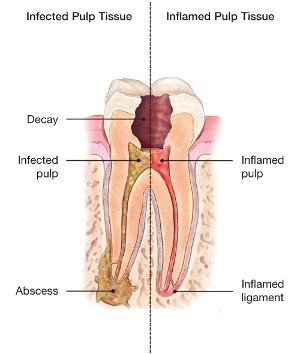
A dental abscess is a pocket of pus that forms due to a bacterial infection. It develops when bacteria invade the soft pulp inside your tooth or the surrounding gum and bone tissues. Without treatment, the infection can spread, causing more pain and potentially serious complications.
There are two main types you should know about:
- Periapical (tooth) abscess — Occurs at the tip of the tooth root, usually from untreated decay, trauma, or a cracked tooth that allows bacteria to reach the pulp.
- Periodontal (gum) abscess — Forms in the gums beside the tooth, often related to advanced gum disease or trapped food/debris.
Both create pressure and inflammation, which is why they feel so uncomfortable.
Common Symptoms of a Tooth Abscess
Don’t ignore these warning signs:
- Severe, throbbing toothache that may radiate to your jaw, ear, or neck
- Sensitivity to hot or cold
- Pain when chewing or biting
- Visible swelling in the face, cheek, or gums
- A pimple-like bump on the gums that may drain pus
- Bad taste in the mouth or bad breath
- Fever or general feeling of being unwell (in more advanced cases)
If you notice facial swelling or difficulty swallowing/breathing, seek care immediately, this can be a dental emergency.
What Causes a Dental Abscess?
Most abscesses start with:
- Deep cavities that reach the tooth pulp
- Cracked or fractured teeth
- Trauma or injury to a tooth
- Previous dental work that didn’t fully seal the tooth
- Advanced gum disease
The infection doesn’t go away on its own. Your body tries to fight it, but the pus has nowhere to drain, leading to building pressure and pain.
How We Treat Dental Abscesses at Lowry Endodontics
Our goal is always to eliminate the infection, relieve your pain quickly, and save your natural tooth.
Typical treatment steps include:
- Draining the abscess — To immediately reduce pressure and pain.
- Root canal therapy — Dr. Karmali removes the infected pulp, thoroughly cleans the root canals using advanced microscopes and 3D imaging, then seals them to prevent reinfection.
- Restoration — Your tooth is protected with a crown or filling (usually coordinated with your general dentist).
- Antibiotics — Only when necessary to support healing.
In most cases, patients feel dramatic relief right after the first visit. Modern techniques make the process far more comfortable than most people expect.
Why See an Endodontist for an Abscess?
While general dentists handle many dental issues, endodontists like Dr. Rahim Karmali have years of additional training focused exclusively on the inside of the tooth and complex infections. This expertise leads to higher success rates and better long-term outcomes. This is especially true for abscess cases that involve curved roots, hidden canals, or previous treatment that didn’t fully resolve.
Don’t Wait. Early Treatment Saves Teeth.
An untreated abscess can lead to more extensive damage, tooth loss, or spread to other areas of the body. The sooner you address it, the simpler (and more comfortable) the solution usually is.
We warmly welcome patients seeking second opinions. Many people come to us unsure about their diagnosis or worried about losing a tooth. After a thorough evaluation with our advanced technology, they often leave with clear answers and a plan to save their natural smile.
Ready to get relief? Contact Lowry Endodontics today. Our compassionate team is here to help you feel better fast and protect your oral health for years to come.
📍 Serving Denver and Aurora, Colorado 📞 Call us at 303-330.3996 or book online at www.lowryendo.com
Your comfort and your natural teeth matter. Let us show you how quickly and effectively we can resolve a dental abscess at Lowry Endodontics.
A dental abscess is a pocket of pus caused by a bacterial infection inside the tooth or in the surrounding gums and bone. It usually results from untreated decay, a cracked tooth, or trauma that allows bacteria to reach the pulp.
Most patients describe a severe, throbbing toothache that can radiate to the jaw, ear, or neck. You may also notice facial swelling, sensitivity to hot or cold, pain when biting, a bad taste in the mouth, or a small pimple-like bump on the gums. It is important to know that not all abscesses hurt. It is common to have a silent infection that only shows up on an x-ray or 3D scan.
No. While the pain may temporarily ease if the abscess drains, the infection remains and can worsen or spread. Antibiotics only temporarily relieve pain and swelling. Professional treatment is necessary to eliminate the source of the infection and prevent complications.
A dental abscess is a serious infection that should never be ignored. If left untreated, it can lead to swelling that affects breathing or swallowing, spread to other parts of the body, or result in tooth loss. Prompt care is essential.
The most effective treatment is usually root canal therapy performed by an endodontist. This removes the infected pulp, thoroughly cleans the root canals, and seals the tooth to prevent reinfection. In some cases, we may also drain the abscess and prescribe antibiotics if the infection has spread.
Modern techniques and effective anesthesia make the procedure very comfortable for most patients, often no more uncomfortable than a routine filling. Many people feel significant pain relief shortly after treatment begins.
Absolutely. We welcome patients seeking second opinions. Dr. Rahim Karmali will carefully review your X-rays and symptoms using advanced 3D imaging to confirm the diagnosis and explore every option for saving your natural tooth.
Excellent oral hygiene, regular dental check-ups, and prompt treatment of cavities or cracked teeth are the best defenses. Addressing dental problems early almost always prevents abscesses from forming.