
Cracked or Fractured Tooth in Denver? Expert Ways to Save Your Natural Tooth
By Rahim Karmali DDS, Lowry Endodontics
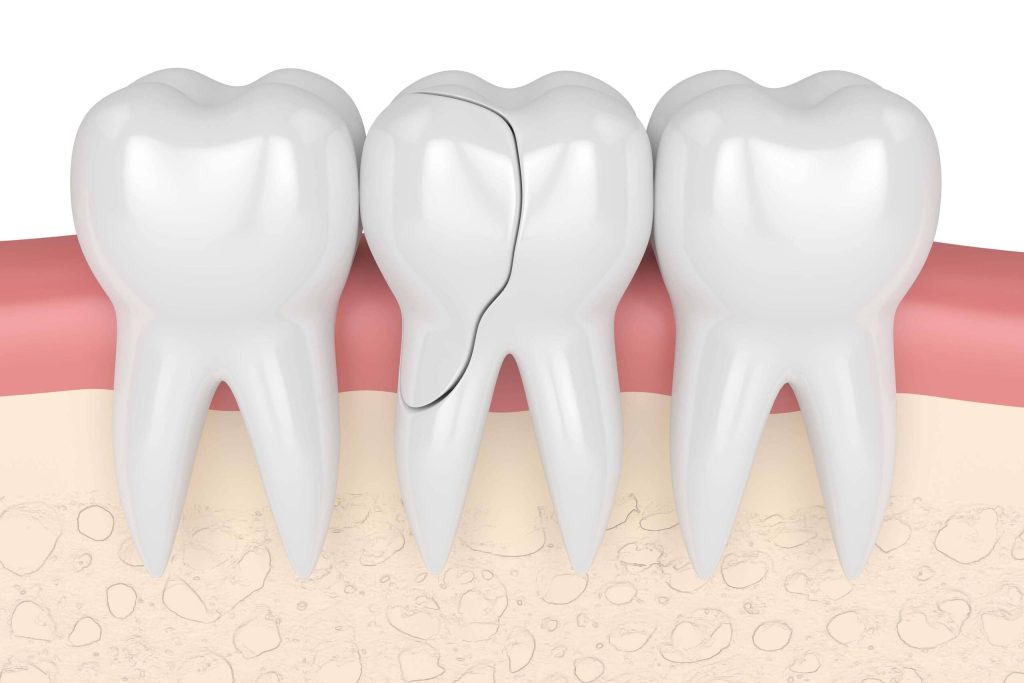
Key Takeaways
- Discovering a cracked or fractured tooth can be daunting, but many can be saved with proper care.
- The key questions for treatment are when to observe, treat, or extract based on the fracture’s extent and symptoms.
- A structured approach (engineering, etiology, diagnosis, and clinical management) maximizes the chances of preservation.
- Advanced technology and experience help detect issues early and often provide alternative treatments instead of extraction.
- Consider getting a second opinion for cracked teeth to explore all possible preservation options.
If you’ve recently been told you have a cracked tooth in Denver, you might feel anxious about what it means for your smile. Will it need extraction? Can it still be saved? At Lowry Endodontics, we specialize in bringing finesse and precision to cracked and fractured teeth, helping patients keep their natural teeth whenever possible.
Modern endodontics offers far more options than many patients realize. With the right diagnosis and expert care, many cracked teeth can continue to function comfortably for years.
The Big Three Questions: Observe, Treat, or Extract?
When facing a cracked or fractured tooth, the key questions are straightforward yet critical:
- When to observe?
- When to treat?
- When to extract?
The answer depends on the extent of the fracture, location, symptoms, and your overall oral health. Not every crack requires immediate intervention, but ignoring symptoms can lead to bigger problems.
Understanding a Cracked Tooth
Successful management follows a thoughtful framework:
- Engineering: Understanding how forces act on the tooth and what makes it structurally sound.
- Etiology: Identifying the cause (trauma, grinding, large fillings, etc.).
- Diagnosis: Using advanced tools like high-magnification microscopes and 3D CBCT imaging for precise visualization.
- Clinical Management: From simple bonding to root canal therapy with internal reinforcement.
This structured approach helps us maximize the chances of saving your natural tooth.
Common Types of Cracked or Fractured Teeth
| Fracture Type | Typical Symptoms | Treatment Outlook | Prognosis with Specialist Care |
| Craze Lines | Usually none | Often just monitoring | Excellent |
| Fractured Cusp | Pain on biting | Removal of fragment + restoration | Very Good |
| Cracked Tooth | Sharp pain on release of bite | Crown or root canal + crown | Good to Very Good |
| Split Tooth | Severe pain, visible separation | May require extraction or hemisection | Guarded — second opinion key |
| Vertical Root Fracture | Deep pain, abscess | Often extraction, but early cases savable | Variable — depends on extent |
Why Experience and Technology Make the Difference
At our practice, we don’t just treat teeth. We approach each case with the mindset that preservation is the ideal when feasible. Using the most powerful dental microscope and advanced 3D imaging, we can often detect issues early and apply techniques that reinforce the tooth from within. Many patients who come for a second opinion after hearing “it has to come out” discover realistic options for saving their natural smile.
Your natural tooth, when preserved successfully, offers unmatched comfort, function, and bone support compared to replacements.
Don’t Decide Alone. Get a Second Opinion
If you’ve been diagnosed with a cracked or fractured tooth, especially if extraction has been mentioned, we strongly encourage a specialist evaluation. A fresh perspective with advanced diagnostics can open doors you didn’t know existed.
Ready to explore your options?
Contact Lowry Endodontics today at 303-363-7668 or visit online at www.lowryendo.com.
We welcome patients from across Denver and the Rocky Mountain region seeking expert guidance and compassionate care.
A: Common symptoms include sharp pain when biting or releasing, sensitivity to hot/cold, or discomfort while chewing. Some cracks cause no symptoms initially and are only found during a dental exam.
A: Yes, in many cases. With early diagnosis using advanced imaging and microscopic techniques, endodontists can often save the tooth through crown placement, root canal therapy, or internal reinforcement.
A: Extraction may be necessary for severe vertical root fractures or splits that compromise the tooth’s stability. However, a specialist evaluation frequently reveals preservation options.
A: Absolutely. If extraction has been recommended, consulting an endodontist can provide clarity and potentially save your natural tooth.
A: With proper treatment and a protective crown, many last 10+ years or longer, offering superior function and comfort compared to replacements.
- Why Choose an Endodontist for Your Root Canal Instead of Your General Dentist
- Holistic Root Canals in Denver: Why a Well-Done Root Canal Is Different From a Label
- Cracked or Fractured Tooth in Denver? Expert Ways to Save Your Natural Tooth
- Root Canal vs Implant: Why Saving Your Natural Tooth Might Be the Smarter Long-Term Choice
- What Is a Dental Abscess? Signs, Causes & Why Prompt Treatment Matters